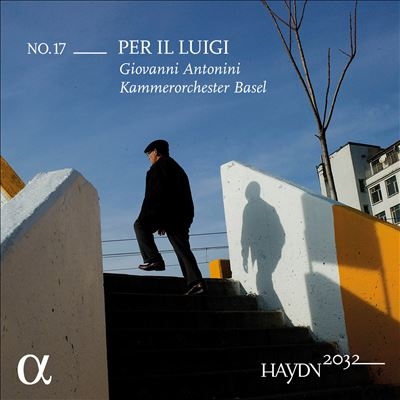
【ハイドン初期ならではの着想の瑞々しさ! HAYDN 2032 ハイドン交響曲全曲録音シリーズ Vol.17】
交響曲という曲種の黎明期から18世紀末まで107曲もの作品を書き「交響曲の父」と呼ばれるハイドン。その全てを作曲家生誕300周年の2032年までに実演・録音するジョヴァンニ・アントニーニ指揮のHAYDN 2032プロジェクト第17弾では、後期作品を集中的に取り上げた前作(ALPHA698/国内仕様盤NYCX-10495)から一転、みずみずしい才気を感じさせる作曲活動初期の作品群に出会えます。表題の「ルイージのために」とは併録作であるヴァイオリン協奏曲第1番の手稿譜にある言葉で、これはハイドンと同じく1761年、エステルハージ家の楽団拡張計画で同家に雇われたイタリア人のヴァイオリン奏者ルイージ・トマジーニのこと。彼らを雇ったエステルハージ侯爵パウル2世アントンのもと若き作曲家が続々生み出した交響曲には、トマジーニら優れた腕前を持つ楽団員のためのソロも積極的に盛り込まれ、このアルバムの収録作でも随所でその魅力を味わえます。前世代のヴァーゲンザイルやモンなどの交響曲に通じる最新書法と古風な教会音楽作法のせめぎあいも興味深く、楽章構成もまちまちで聴きどころに満ちた作品の魅力を、古楽器演奏のプロフェッショナルを多数ゲストに迎えたバーゼル室内管弦楽団がメリハリの利いた解釈で十全に伝えてくれます。
ナクソス・ジャパン
発売・販売元 提供資料(2025/05/08)
The overall programming concept of the "Haydn 2032" series on offer from conductor Giovanni Antonini and several orchestras, lately mostly the Kammerorchester Basel, is to avoid the deadly chronological sequence of Haydns 104 symphonies in favor of programs that group works thematically. It is not clear that the idea works for this installment, the 17th in the series. The title Per il Luigi refers to the original player of the Violin Concerto No. 1 in C major, Hob. 7a/1, Luigi Tomasini, who must have been quite a virtuoso and called forth from Haydn some of his more difficult solo concerto writing. The performance is brisk and contains the general virtues of Antoninis series, relating to a bracing sound that is produced by contemporary instruments but is strongly influenced by historical performances, with quick tempos, sharp attacks, and limited vibrato. Haydns Symphony No. 36 in E flat major, Hob. 1/36, is a daypart programmatic work and contains passages written for this same violinist. Perhaps the chief attractions here are the other two works, which apparently have nothing to do with Tomasini but are especially impressive examples of Haydns early style. They show the composer building on the varied instrumental textures of the growing Classical-period orchestra and incorporating them into larger-scale symphonic forms. Sample the finale of the Symphony No. 13 in D major, Hob. 1/13, which shares a theme with the finale of Mozarts Symphony No. 41 in C major, K. 551 (and it would be wrong to automatically conclude that Mozart did not know this work). Another attraction is Antoninis set of booklet notes, which argues, among other things, that audiences in Haydns time might applaud during a movement if they heard something they liked, "as happens today at a rock concert or after a solo in a jazz jam session." Overall, this is a sharp, enjoyable entry in Antoninis Haydn series. ~ James Manheim
Rovi